Key developments in European gas wholesale markets - summer 2026
2026 Monitoring Report
The EU’s gas wholesale market continues to manage changing supply patterns, with liquefied natural gas (LNG) playing an important role in balancing supply and demand and securing gas flows across the EU.
In summer 2026, these dynamics came under renewed pressure. Disruptions to LNG flows linked to the conflict in the Middle East, low storage levels after winter 2025-2026 and slower refilling contributed to tighter supply and pushed the EU’s gas prices higher.
ACER’s Monitoring Report looks at these summer developments and what they could mean for security of supply in winter 2026-2027.
What trends did ACER monitoring find?
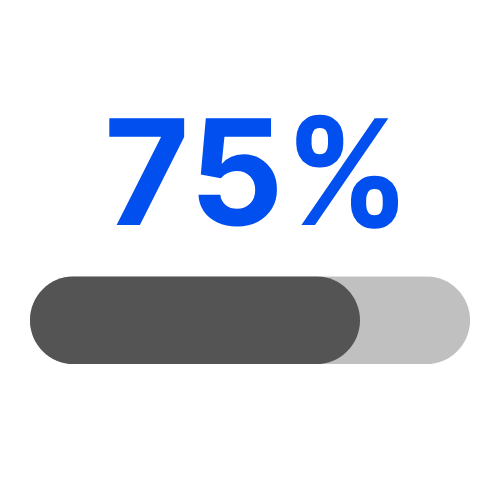
- EU gas stocks remain below historical levels after a slow summer refill. At the end of winter 2025-2026 underground gas storage levels reached 28% of capacity, down from 34% a year earlier and below the 9-year average of around 40%. The slower filling pace reflected, inter alia, higher LNG import prices and weak commercial interest for summer injection. By 21 October 2026, EU storage stood at 75%.
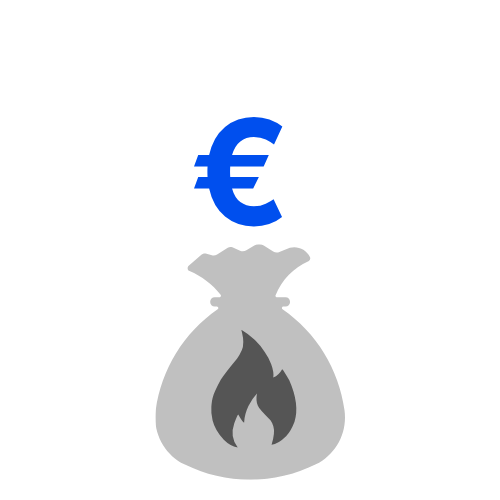
- Refilling storage has become more expensive. The upper bound estimated cost of refilling storage in 2026 reached €27 billion. While below the roughly €100 billion spent during the 2022 energy crisis, the average cost of injected gas was the second highest in the past decade. The conflict in the Middle East contributed to higher gas prices.
- EU reliance on US LNG continued to grow as Qatari and Russian supplies fell. US LNG now accounts for around 30% of total EU gas supply, and total Russian gas around 11%. Russian LNG imports are 2% lower than in summer 2025, while Russian pipeline imports fell by 3%. The total EU LNG imports fell by 14%. No significant volumes of Qatari LNG reached the EU in summer 2026.
- Gas prices rose as Europe competed for LNG in a tighter global market. Spot EU hub prices closed to near EUR 90/MWh mid-October 2026, with unfavourable winter-summer price spreads and competition with Asia for spot LNG.
- The Middle East conflict added an estimated €18-33 billion to Europe's gas import bill for the same quantity of gas. The range depends on whether day-ahead TTF prices or TTF monthly prices are used. These additional costs are spread across the gas value chain, affecting household and industrial consumers and driving up electricity prices. Disruption to Qatari LNG exports through the Strait of Hormuz increased EU reliance on other suppliers, especially the USA.
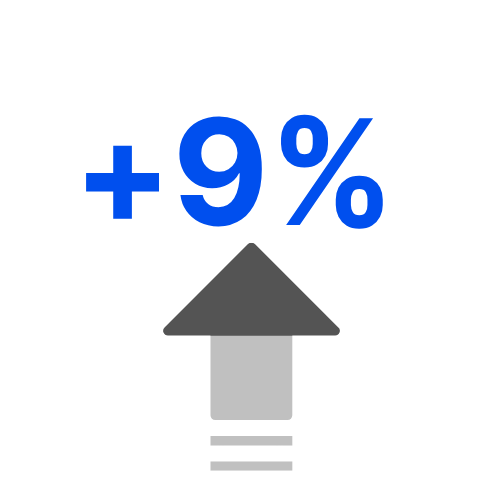
- Hot weather and droughts during summer increased demand for gas-fired power generation. Consecutive heatwaves, hotter rivers and lower water flow levels constrained nuclear and hydro generation. The strong growth in solar power responded to higher electricity demand, yet the reduced nuclear and hydro output increased gas-fired and coal generation. Gas generation rose by nearly 9% over the gas summer period and by 20% in August compared to the same period in 2025.
Looking ahead
- A tighter winter supply balance: The EU will enter the winter with lower overall storage levels than the nine-year average. Gas demand is around 20% lower since the 2022 gas crisis, increasing the relative value of current storage levels. Weather-driven demand will be impacting the gas storage stocks' evolution.
- The EU is expected to continue to face international competition for securing LNG imports: The EU and Asia will continue to compete for flexible spot LNG cargoes during the heating season, possibly increasing exposure to price pressure and volatility.
- The EU's winter prospects may lead to higher LNG needs: The actual level of LNG imports needed will ultimately depend on, inter alia, the severity of the winter weather and gas demand. In the current context, additional LNG imports are mainly to come from the USA in view of reduced Qatari supply and the Russian LNG phase-out from January 2027.
Key developments in European gas wholesale markets - summer 2026

Highlights
Report
ACER’s Monitoring Report on key developments in European gas wholesale markets covers the 2026 gas summer season and looks ahead to winter 2026-2027. It analyses:
- underground gas storage developments and their implications for security of supply;
- the impact of the Middle East conflict on the EU gas market;
- market fundamentals and price developments; and
- gas flows and market integration across the EU.
Additional information
- Access the underlying datasets.